How to Stop Window Condensation in a South Jersey Home
The Short Answer: Find the Moisture Source Before Replacing the Window
To stop window condensation in a South Jersey home, first determine where the water is collecting and when it appears. Moisture on the room-side glass usually points to indoor humidity meeting a cold surface. Water between insulated glass panes indicates a failed sealed unit. Staining at the sill, jamb, or surrounding wall can indicate air leakage, missing flashing, or water intrusion from outside. These are different problems, so a new window is not automatically the right first step.
Record the room, weather, time of day, window position, and whether the moisture is on the interior, exterior, or between panes. South Jersey homes see humid summers, cold winter nights, wind-driven rain, and older additions with uneven insulation. That combination can make a window the most visible symptom of a larger air, moisture, or enclosure issue. Our window and door services can help evaluate the opening, while the local construction official remains the authority for permit questions.
Identify Where the Condensation Is Forming
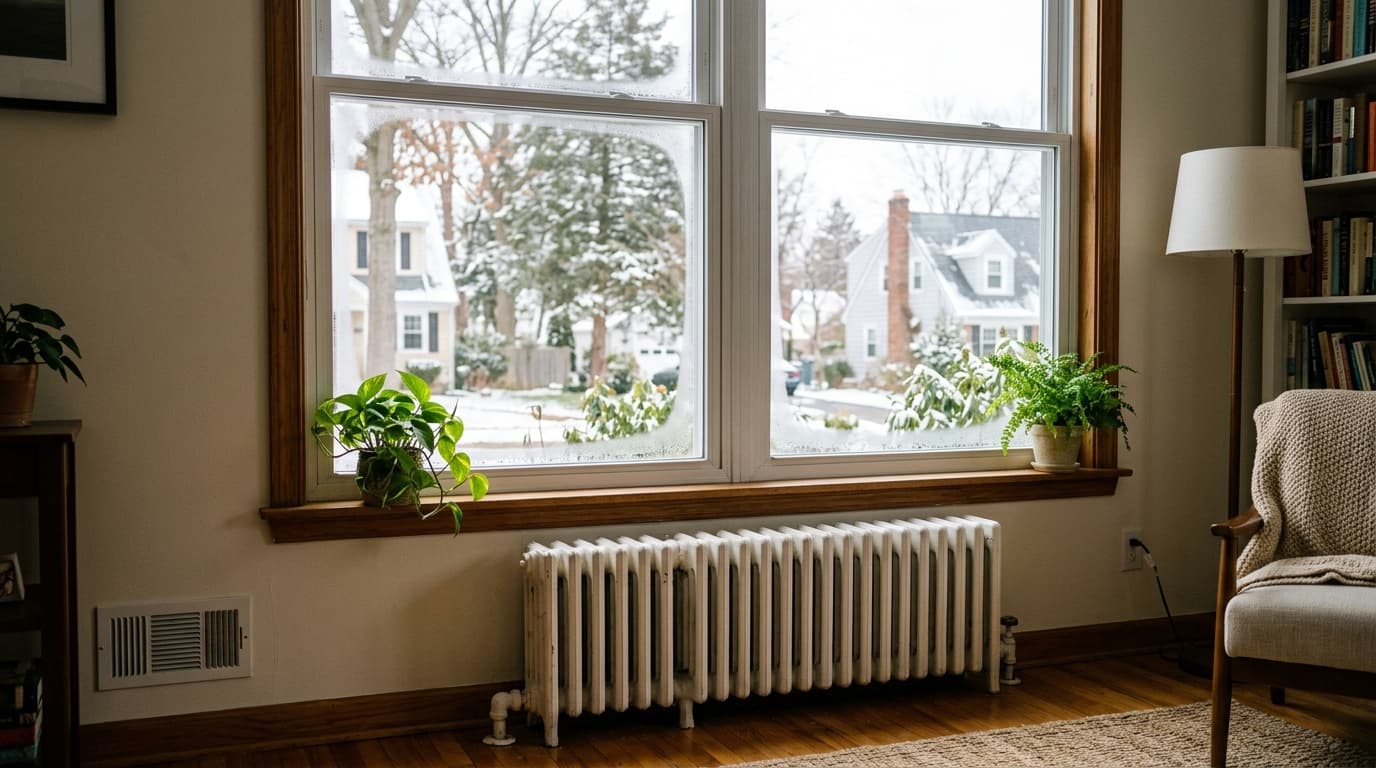
Room-side condensation appears on the glass or frame facing the living space. It is more likely when indoor air is humid, the glass is cold, curtains block air movement, or the window has a low-performing or damaged assembly. It can be temporary after cooking, bathing, or drying clothes, but repeated wetness deserves attention because water can damage wood, paint, drywall, and flooring.
Exterior condensation can occur on efficient windows when outdoor air is humid and the outside pane is cooler than the surrounding air. It is not automatically a defect. Between-pane foggingusually means the insulating glass seal has failed and the cavity is no longer protected as designed; cleaning the outside surfaces will not remove it. Photograph the pattern and check the window manufacturer's warranty before ordering a replacement.
Water that appears on the trim or wall rather than the glass should be treated differently. Bubbling paint, swollen casing, soft wood, staining below the sill, or dampness after rain can point to an exterior water-management problem. Do not caulk over the visible stain until the source and drying plan are understood.
Check Indoor Humidity and Everyday Moisture
Use a small hygrometer to compare rooms instead of guessing from how the air feels. Humidity rises when showers, cooking, plants, unvented dryers, basement moisture, and many occupants add water vapor faster than the home can remove it. The EPA's indoor-air-quality resources emphasize source control and ventilation as part of a healthy indoor environment. The comfortable humidity level for one home may not prevent condensation in another because window temperature and air movement also matter.
Run kitchen and bathroom exhaust fans during moisture-producing activities and long enough afterward to clear the room. Confirm that exhaust ducts terminate outdoors rather than in an attic, wall, or crawl space. Keep dryer exhaust connected and unobstructed. Do not use an unvented combustion appliance as a shortcut for heating or drying a room, and never block required combustion air or ventilation openings.
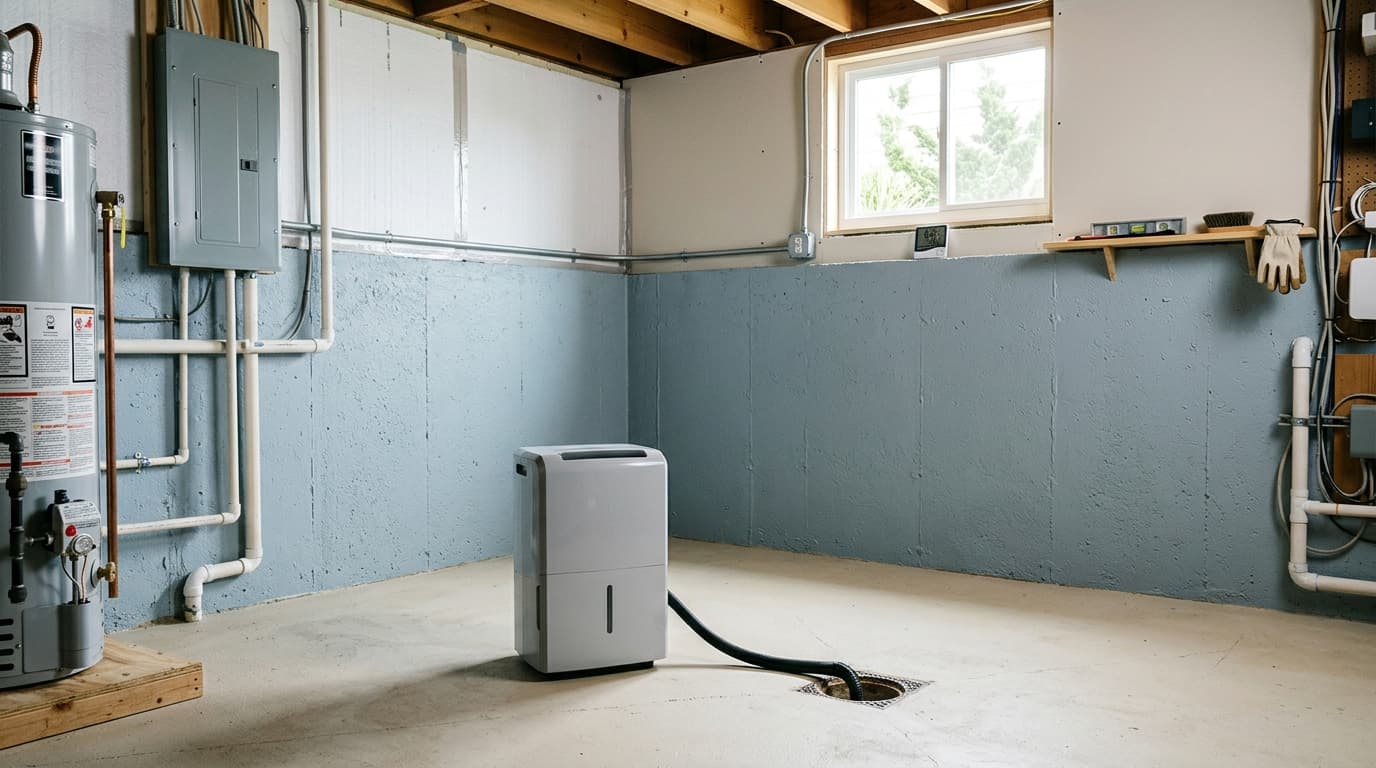
If condensation is concentrated in one room, look for a local cause: a closed bedroom door, a blocked supply register, a cold exterior corner, a poorly insulated addition, or a bathroom fan that does not actually move air. A dehumidifier may reduce moisture temporarily, but it will not repair a leak, failed window seal, or missing insulation.
Improve Airflow Without Creating a New Problem
Warm room air needs to reach the glass so the interior surface can stay closer to room temperature. Keep blinds or curtains from sealing tightly against the window for long periods, avoid placing furniture directly over a supply register, and leave a reasonable path for air circulation. These are low-risk maintenance steps, not substitutes for correcting a cold bridge or failed enclosure.
Inspect the accessible window seals and locking points for obvious gaps, cracked weather stripping, or a sash that does not close squarely. A thin strip of air leakage can make one edge much colder than the rest of the glass. Do not permanently seal a window shut if it is required for emergency escape, and do not cover drainage paths, weep holes, or exterior pressure-equalization details with caulk.
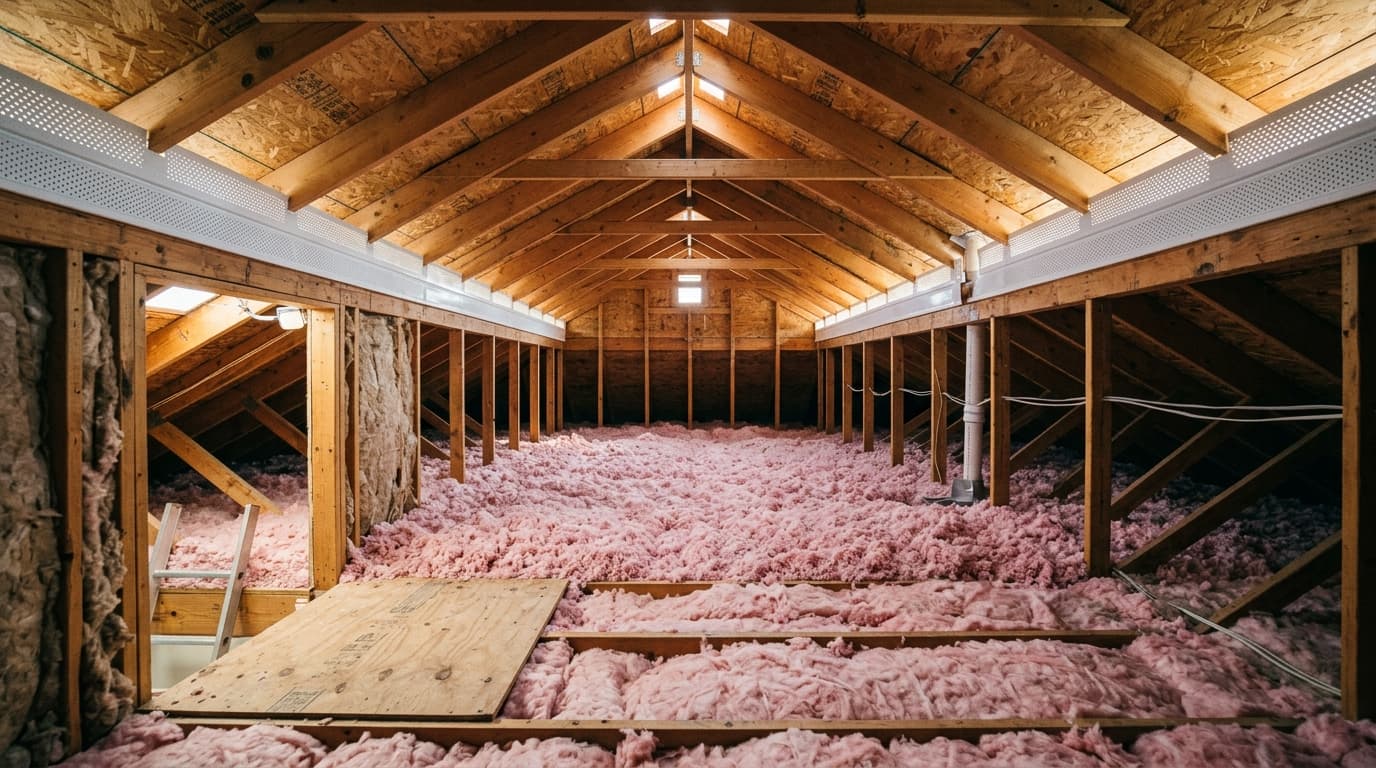
The ENERGY STAR seal-and-insulate guidance explains why air sealing and insulation should be planned together. If a window is cold because the rough opening, rim area, wall, or trim is poorly insulated, replacing the sash alone may leave the underlying cold surface in place.
Planning a project in South Jersey?
Get a free, detailed estimate from a licensed NJ contractor — no pressure, no sales pitch.
When Condensation Means the Window or Wall Needs Repair
Schedule a professional evaluation when moisture persists after indoor sources are controlled, appears between panes, damages trim, returns after rain, or occurs around one opening while similar windows stay dry. Also call when the sash is difficult to operate, the frame is soft, the wall is stained, or the window is drafty despite intact weather stripping. Those signs can involve the glass unit, frame, flashing, siding transition, insulation, or surrounding framing—not just a cosmetic surface.
Ask the contractor to distinguish condensation from rain intrusion and to explain what will be inspected before the proposal is written. A useful assessment includes the window condition, interior and exterior trim, sill, flashing, cladding transition, rough-opening history where available, and nearby humidity or ventilation conditions. For a home in Egg Harbor Township, Galloway, or Absecon, shore-adjacent wind and rain exposure may change the water-management details without changing the basic diagnostic process.
A Window Condensation Decision Checklist
Use this checklist before deciding between maintenance, repair, and replacement:
- Location: Is the moisture on the room side, outside, between panes, trim, or the wall?
- Timing: Does it follow showers and cooking, cold nights, wind-driven rain, or every season?
- Pattern: Is one room affected, one edge affected, or are many windows showing the same symptom?
- Air: Are exhaust fans ducted outdoors, and are supply registers and return paths unobstructed?
- Assembly: Are the sash, frame, seals, sill, trim, flashing, siding, and surrounding wall sound?
- Documentation: Has the contractor stated what is included, what hidden damage means, and whether permits apply?
When comparing replacement quotes, request the exact window series, glass performance information, installation method, flashing and trim scope, disposal, interior repairs, exterior cladding transitions, warranty documents, and the plan for concealed damage. The National Fenestration Rating Council label guidance explains how performance information can help compare products, but the installed result also depends on the opening and workmanship. New Jersey's DCA Codes & Standards resources are a starting point for regulated-work questions; confirm the actual scope with your local construction official.
A Safe Next Step for South Jersey Homeowners
Wipe away recurring moisture, protect wood and painted surfaces while the cause is being investigated, and keep dated photos of the pattern. Do not climb onto a roof, disturb suspected mold, alter electrical or gas systems, or dismantle a window you cannot safely reinstall. If there is active water entry, soft framing, visible mold, or damage near wiring, stop the DIY investigation and use a qualified professional.
A useful scope review should leave you with a cause, a sequence, and a maintenance plan—not just a recommendation to buy a new window. Our general contracting team can coordinate related trim, siding, insulation, and opening work, and our contact page is the safe starting point for a South Jersey assessment. Bring humidity readings, photographs, dates of occurrence, and any window warranty information so the conversation begins with evidence.