How to Tell If Your South Jersey Home Needs More Attic Insulation
The Short Answer: Inspect Insulation, Air Leakage, and Moisture Together
A South Jersey home may need more attic insulation when the existing layer is thin, uneven, compressed, wet, or missing around parts of the ceiling. But cold rooms and high heating or cooling bills can also come from air leaks, duct problems, insufficient ventilation, window issues, or moisture. The useful first step is not to order a particular product; it is to identify which part of the attic assembly is failing and whether adding insulation will hide another problem.
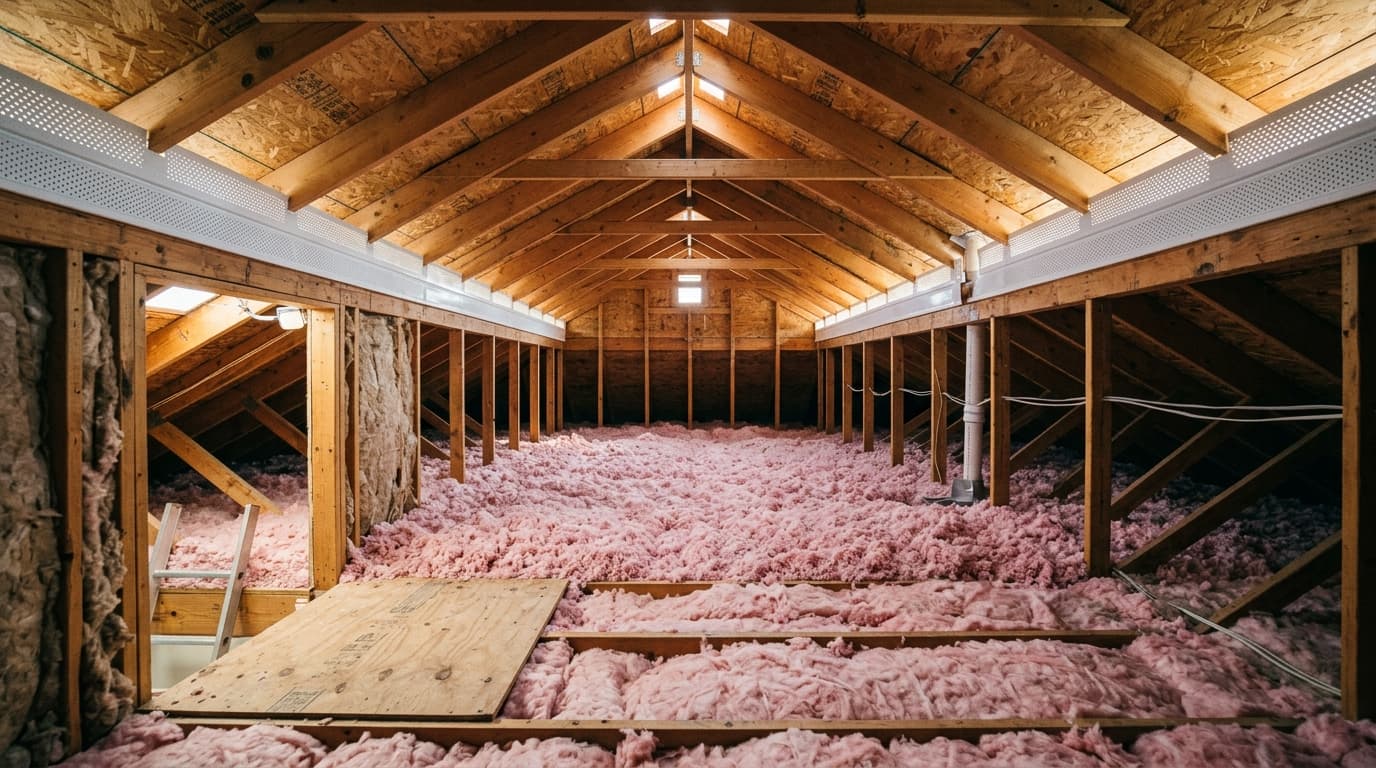
Begin from a safe position at the attic access. Look for visible gaps, darkened or damp insulation, bare ceiling areas, blocked soffit vents, disconnected ducts, staining, and recessed lights or exhaust penetrations that need special treatment. Do not walk on drywall between joists, disturb suspected mold, move wiring, or enter an attic with unsafe flooring, extreme heat, pests, or unknown conditions. Our general contracting team can coordinate an evaluation when insulation, roofing, ventilation, or ceiling repairs overlap.
Signs Your Attic Insulation May Be Underperforming
Uneven room temperatures are one clue. A bedroom under a roof slope may be much hotter in summer or colder in winter than a room below a more insulated part of the house. You may also notice a ceiling that feels unusually cold, dust marks where air moves through insulation, exposed ceiling drywall, or insulation that has settled away from the edges of the attic. These signs support an inspection; they do not identify the correct repair by themselves.
Look at the attic floor without stepping into uncertain areas. Insulation should generally be continuous across the ceiling plane, not piled only in the center while the perimeter remains bare. Compressed batts, flattened blown-in material, animal disturbance, and gaps around pipes or wiring can reduce the effectiveness of the assembly. If insulation is wet, determine whether the source is a roof leak, plumbing leak, or indoor air carrying moisture before adding anything.
Attic clues can also appear in living spaces: peeling paint, ceiling stains, musty odors, recurring ice or frost at roof edges, or a bathroom that stays humid. A stain does not prove that insulation caused the problem. Have the roof, flashing, exhaust route, and ceiling penetration checked before covering it.
Check Air Sealing Before Adding More Material
Air leaks allow conditioned air and moisture to move through the ceiling plane. Common leakage locations include the attic hatch, plumbing and electrical penetrations, top plates, open wall cavities, duct chases, and gaps around light fixtures. The ENERGY STAR seal-and-insulate guidance explains why air sealing and insulation should be planned as related tasks. Adding insulation over a large unsealed opening may make the problem harder to find and can allow moisture to reach colder parts of the roof assembly.
Ask the contractor to identify the ceiling-plane penetrations and explain which can be sealed safely. Do not cover electrical junction boxes, alter wiring, seal required combustion air, or bury equipment that needs service access. Recessed lights, flues, chimneys, and bath-fan housings require the method and clearance appropriate to the specific equipment. A qualified professional should handle work near gas appliances, electrical systems, or heat-producing components.
Ventilation and Moisture Matter in a South Jersey Attic
Insulation does not replace roof ventilation. In a vented attic, soffit, ridge, gable, or other designed openings must work as an assembly and remain clear. Do not block soffit paths with insulation, and do not add a powered fan as a substitute for locating air leaks or correcting a roof or moisture problem. The right strategy depends on the roof design, existing vents, insulation location, local conditions, and applicable requirements.
South Jersey adds seasonal stress: humid summers can bring moisture into a poorly air-sealed attic, while cold winter surfaces can reveal condensation or frost. Bathroom and kitchen exhaust should terminate outdoors, not in the attic. Check for wet roof sheathing, rusted fasteners, mold-like growth, and damp insulation from a safe position. The EPA's indoor-air-quality resources emphasize moisture source control and ventilation; insulation should not be used to conceal persistent dampness.
Planning a project in South Jersey?
Get a free, detailed estimate from a licensed NJ contractor — no pressure, no sales pitch.
Choose an Insulation Plan Based on the Ceiling and Roof Assembly
The attic floor is often the boundary between conditioned rooms and a vented attic, so the scope may involve air sealing followed by additional blown-in or batt insulation. A finished room directly beneath roof rafters is a different assembly: the insulation may need to be at the roofline, with careful attention to ventilation, vapor control, roof leaks, and interior finishes. Do not assume that the product used on a flat attic floor belongs in a roof slope.
Compare proposals by the complete assembly rather than by the number of bags or the advertised R-value alone. Ask for the insulation type, planned depth, coverage area, target performance, air-sealing locations, baffles or ventilation paths, access treatment, clearance around heat sources, and cleanup. The proposal should state how the crew will protect recessed fixtures, preserve service access, and handle damaged or contaminated material.
If the roof has active leaks or deteriorated sheathing, correct those conditions first. Our roofing servicescan help coordinate roof and attic questions, while the local construction official can confirm whether the actual insulation, ventilation, electrical, or alteration scope requires permits. New Jersey's DCA Codes & Standards resources are a starting point, not a property-specific approval.
An Attic Insulation Decision Checklist
Use these questions before deciding between maintenance, air sealing, added insulation, or a larger repair:
- Condition: Is the existing material dry, continuous, and evenly distributed, or is it wet, compressed, contaminated, or missing?
- Boundary: Is the insulation at the attic floor or roofline, and does that match the way the rooms below are conditioned?
- Air: Where are the hatch, plumbing, wiring, duct, top-plate, and fixture penetrations that need safe air sealing?
- Ventilation: Are soffit and other designed ventilation paths open, continuous, and protected from insulation blockage?
- Moisture: Are there roof leaks, exhaust ducts ending indoors, condensation, stains, or damp materials that must be corrected first?
- Safety: Are wiring, flues, chimneys, lights, access paths, and serviceable equipment identified before work begins?
- Closeout: Will the quote document depth, coverage, air sealing, access, photos, cleanup, and care instructions?
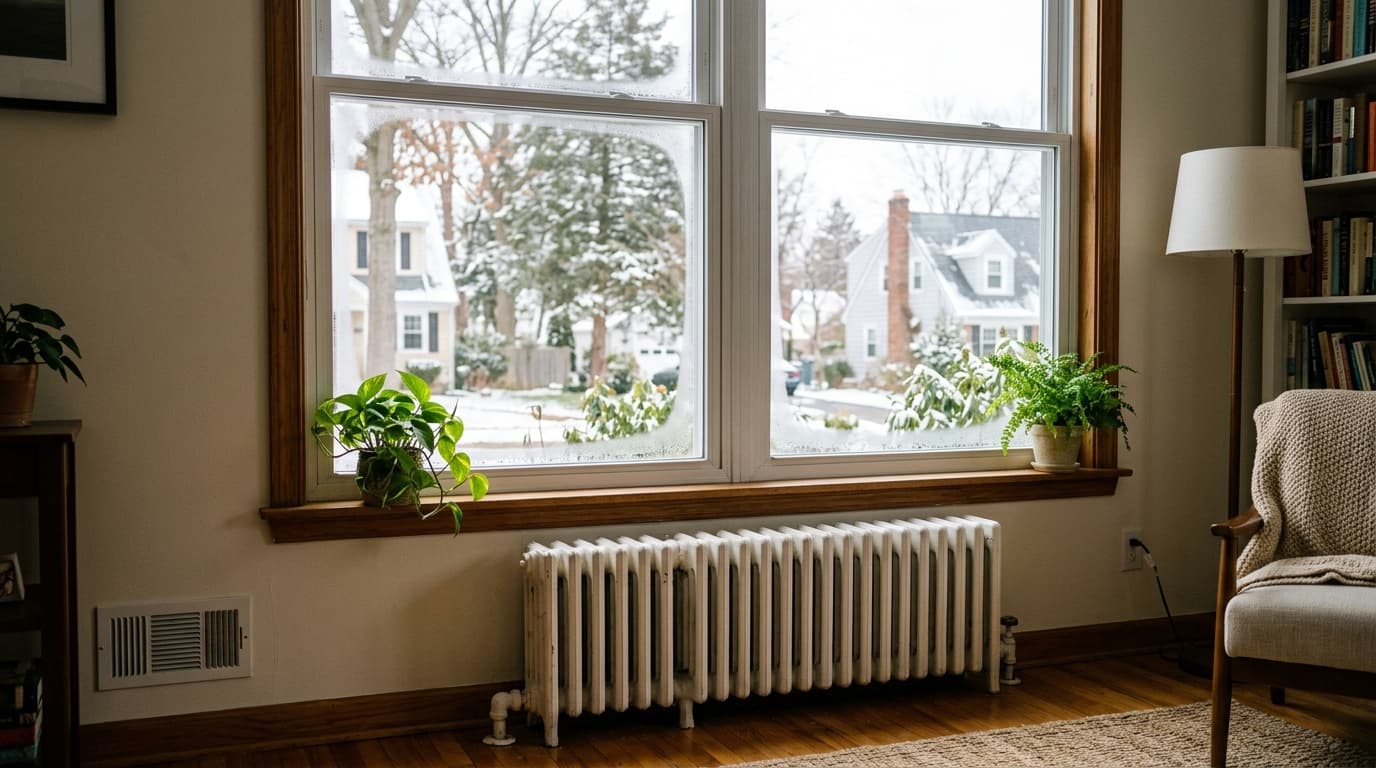
For a home in Egg Harbor Township, Galloway, Absecon, or another South Jersey community, exposure and house design can change the details. Bring photos from the access opening, dates of comfort problems, humidity observations, and any roof or HVAC records to a scope review. If window performance is also part of the concern, our window and door services can help separate an opening problem from an attic or ceiling-plane problem.
When to Call a Professional Instead of Inspecting Further
Stop the inspection when you find active water, soft or damaged framing, suspected mold, pest contamination, unsafe wiring, combustion equipment, or no safe walking surface. Do not climb on the roof, crawl across ceiling drywall, disturb unknown materials, or move insulation around a flue or electrical component. A professional evaluation should explain the cause, the sequence, the safety controls, and what will remain accessible after the work.
The goal is a dry, air-sealed, properly insulated, serviceable assembly—not simply a thicker layer of material. Use our contact page to request a South Jersey scope review and ask for a written distinction between insulation, air sealing, ventilation, roofing, and repair work. That conversation can help you make a better decision without committing to replacement before the attic has been diagnosed.