How to Prevent Ice Dams in South Jersey: A Homeowner’s Guide
Why Ice Dams Form on South Jersey Homes
An ice dam is a ridge of ice that forms along a roof edge when heat escaping from the living space melts snow higher on the roof. The meltwater runs down to a colder eave, refreezes, and can eventually back up beneath shingles. That is why an ice dam can cause a leak even when the roof itself appears intact.
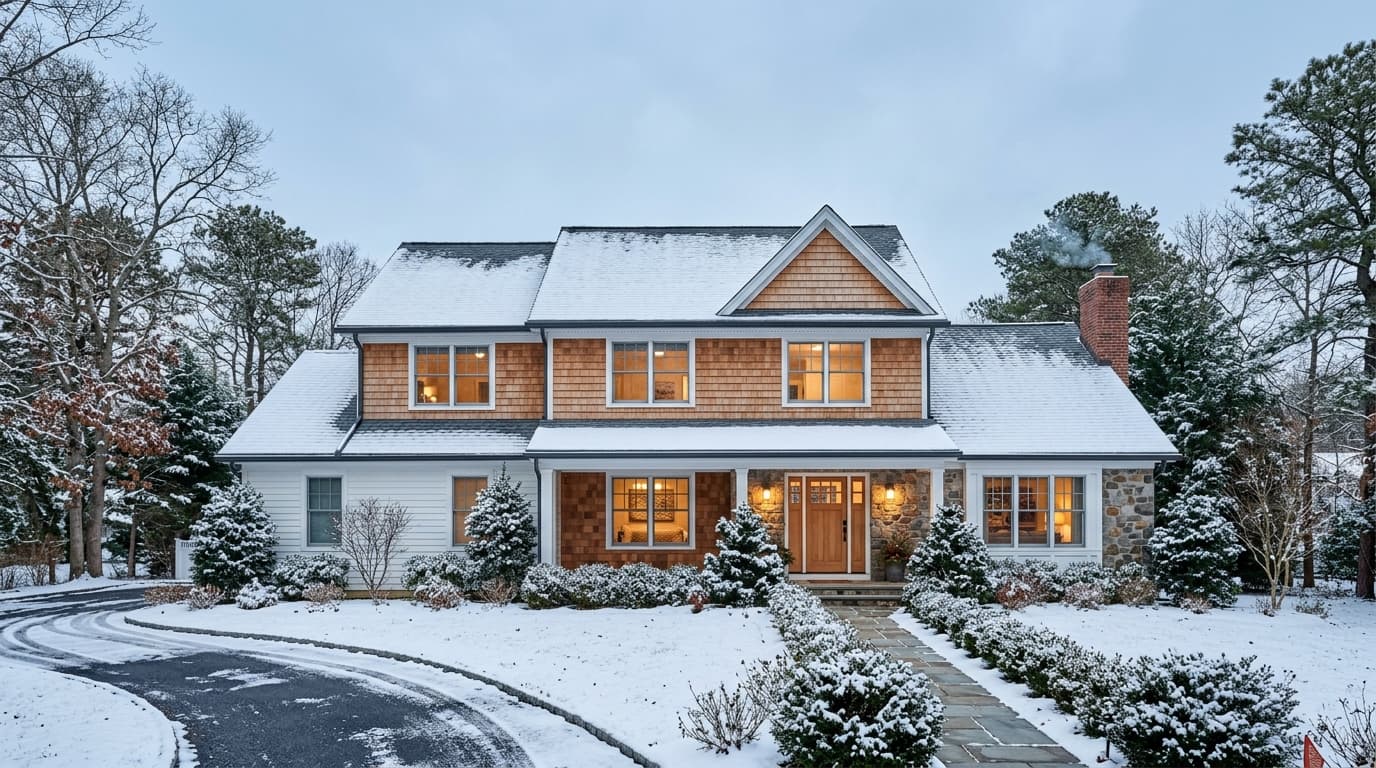
South Jersey homeowners see the problem after freeze-and-thaw weather: a snowy night, a sunny afternoon, and a hard freeze after sunset. Shore wind, older attic insulation, and additions with different rooflines can make temperature differences across the roof more pronounced. The goal is not to remove every icicle; it is to keep the roof deck close to the outdoor temperature so snow melts evenly.
The Three-Part Fix: Air Sealing, Insulation, and Ventilation
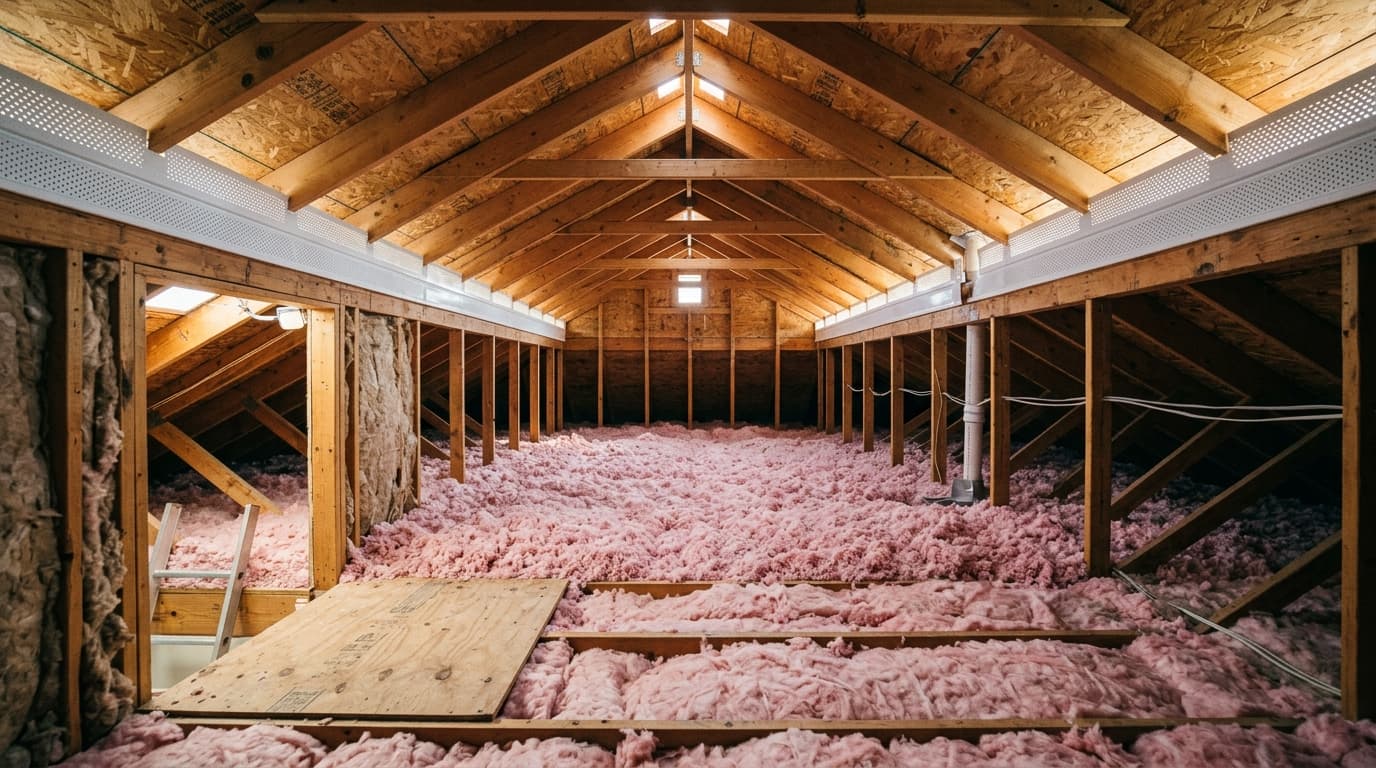
The most durable ice-dam prevention plan addresses the whole attic assembly. First, air sealing closes pathways where warm indoor air escapes around plumbing vents, recessed lights, attic hatches, chimneys, and partition walls. Insulation alone cannot stop warm air moving through these gaps, and some fixtures require a professional approach because of clearance and fire-safety requirements.
Next, insulation is brought to an even, code-appropriate level without blocking the eaves. Finally, soffit-to-ridge or another properly designed ventilation path allows air to move along the underside of the roof deck. The New Jersey Department of Community Affairs maintains the state construction-code resources homeowners can use to confirm current requirements with their contractor: NJ DCA Codes & Standards.
A powered attic fan is not a universal answer. If it depressurizes the attic or draws conditioned air from the house, it can increase energy loss and bypass the real problem. Ask for an assessment of air leakage, insulation depth, baffles, and ventilation balance before approving a fan installation.
A Fall Inspection Checklist for Homeowners
The safest time to prepare is before the first freeze. From the ground, look for missing or lifted shingles, damaged flashing, sagging gutters, and stains on soffits or exterior walls. Inside, check the attic for damp insulation, darkened roof sheathing, frost on nails, musty odors, or daylight around penetrations. Do not walk on the roof or enter an unfamiliar attic without appropriate safety precautions.
- Confirm the attic hatch closes tightly and has insulation attached above it.
- Make sure insulation does not cover soffit vents; proper baffles preserve the air path.
- Check bathroom and kitchen exhaust ducts terminate outdoors, not in the attic.
- Clear leaves from gutters and confirm downspouts discharge away from the foundation.
- Photograph existing stains or damaged flashing so a contractor can compare conditions after winter.
These checks do not replace a roof inspection. They help you give a contractor useful information and separate an attic moisture problem from a roof-covering failure.
Planning a project in South Jersey?
Get a free, detailed estimate from a licensed NJ contractor — no pressure, no sales pitch.
What to Do When an Ice Dam Has Already Formed
Do not chop at the ice with a hammer, pour salt or chemical deicer on the roof, or use an open flame. Those shortcuts can damage shingles, gutters, landscaping, and people below. A roof rake may be appropriate for light snow when used from the ground and as directed by its manufacturer, but it is not a substitute for professional removal when ice is thick or access is unsafe.
If water is entering the home, move valuables, place a container under the drip, and document the location with photos. Avoid electrical fixtures that are wet. Call a qualified roofing professional to assess the immediate leak and the conditions that caused it. A repair at the roof edge without correcting heat and air movement in the attic is likely to recur during the next freeze-thaw cycle.
How to Compare an Ice-Dam Prevention Quote
A useful quote should describe the cause, not just list a product. Ask whether the contractor inspected the attic, how air-sealing areas will be identified, how soffit vents will remain open, and how the finished work will be verified. The proposal should distinguish roof repairs from insulation or ventilation work and identify any permit or electrical scope that may apply in your municipality.
Also ask what is excluded: drywall repairs, painting, gutter replacement, pest-damaged framing, and concealed moisture damage can change the final scope. Synergy’s roofing team can evaluate the roof covering, flashing, ventilation, and attic conditions together so a homeowner can choose a repair based on evidence rather than a seasonal sales pitch.