How to Plan a Laundry Room Remodel in South Jersey
The Short Answer: Plan Water, Power, Air, and Access Together
The best laundry room remodel in South Jersey starts with the room's failure risks and daily workflow, not a cabinet catalog. Plan the washer and dryer location, supply shutoffs, drain, electrical connections, dryer exhaust, floor protection, ventilation, storage, and service access as one system. A beautiful finish cannot compensate for a slow drain, an inaccessible valve, a crushed exhaust duct, or a machine that cannot be pulled out for repair.
First document what is happening now: vibration, leaks, damp odors, lint, condensation, an overheating room, poor lighting, or a layout that makes sorting and folding difficult. A first-floor laundry, basement utility room, and upstairs closet have different water-management and access questions. Our general contracting services can coordinate the building scopes, while qualified plumbing and electrical professionals should handle regulated work.
Choose the Location by Following the Water and Service Paths
Relocating laundry can make a home more convenient, but it also moves pressurized water, wastewater, heat, moisture, and appliance loads into a new part of the building. Before choosing a closet or finished room, identify the shortest practical routes to supply piping, the drain, the electrical panel, and an exterior dryer termination. Check joist direction, wall cavities, foundation conditions, ceilings below, and access for future repairs.
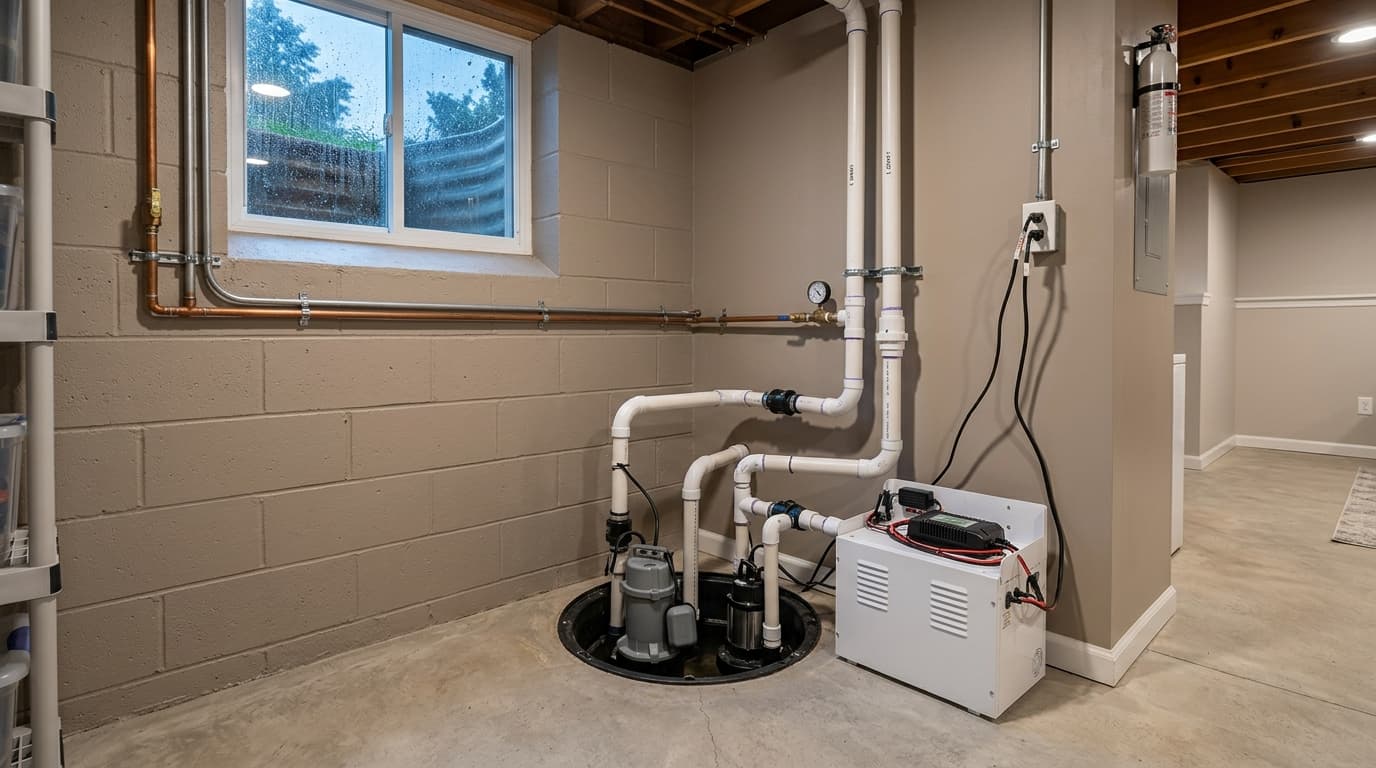
A second-floor laundry may reduce carrying but deserves especially careful leak planning. Ask whether the design includes accessible shutoffs, a properly supported drain, a pan or leak-detection strategy appropriate to the appliances and location, and a way to inspect connections without demolishing finished work. In a basement, investigate seepage, the sump, floor slope, and flood exposure before installing cabinets or flooring. FEMA's flood-map resources provide regional context, but they are not a property-specific drainage or insurance decision.
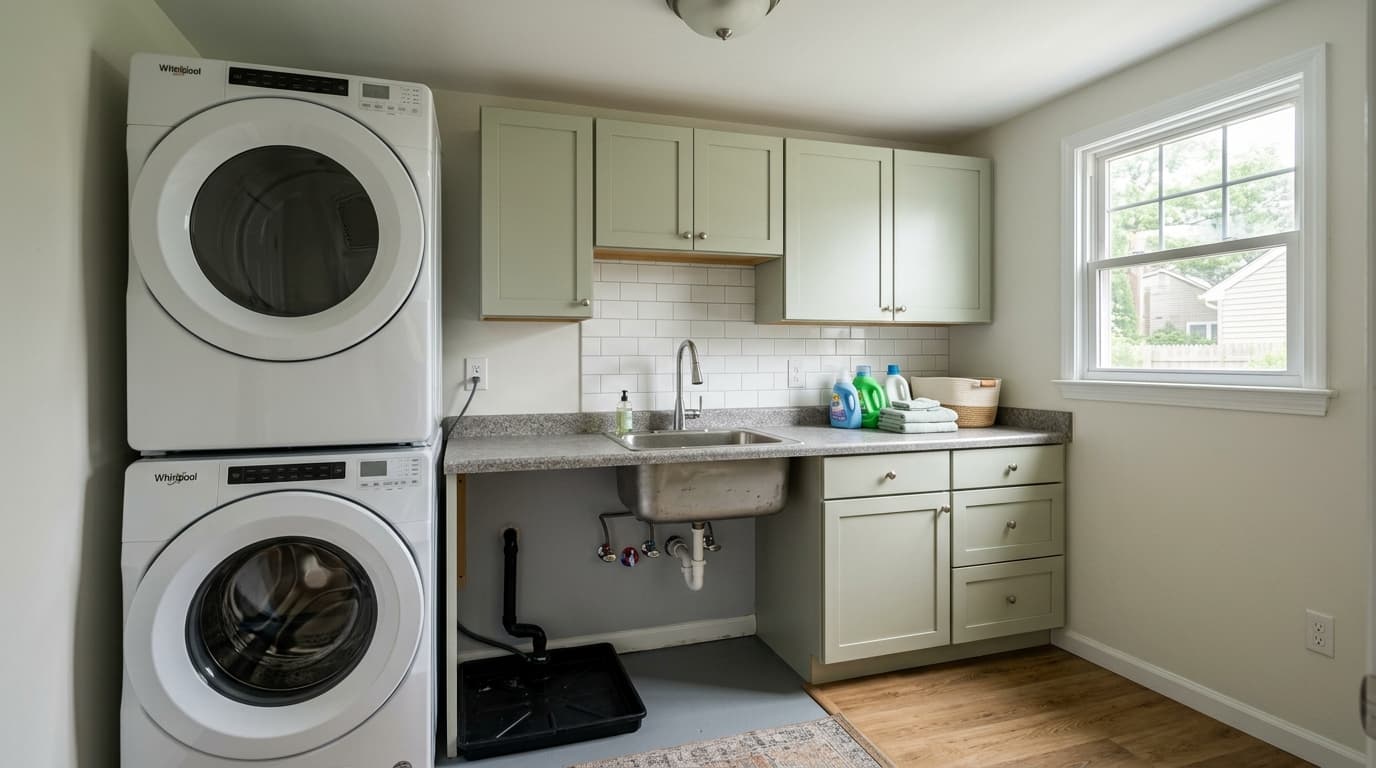
Sketch the full route before demolition: appliance footprint, door swing, baskets, folding surface, utility sink, valves, cleanouts, outlets, vent duct, lighting, and the path to remove a machine. A compact layout that leaves no working clearance is not efficient once a hose needs replacement or a service technician arrives.
Control Leaks Before Choosing Cabinets and Flooring
Laundry rooms combine several common water sources: washer hoses, supply valves, standpipes, sink fittings, condensate, and sometimes a water heater or boiler nearby. During the planning visit, inspect staining, swollen trim, soft flooring, corrosion, musty smells, and patched drywall. Find out whether the visible damage is active, old, or coming from an adjacent room before covering it with new finishes.
Ask the contractor to show how the washer drain will be supported and how the supply connections remain visible and reachable. A shutoff that sits behind a tightly fitted machine is difficult to use during an emergency. Do not rely on a decorative backsplash, caulk, or a new floor to solve a leaking valve or drain connection. If water reaches electrical equipment, keep clear and call qualified professionals rather than testing the circuit yourself.
Flooring should tolerate occasional water and allow a clean transition to adjacent rooms. Compare sheet goods, tile, resilient plank, and other products by water exposure, subfloor condition, slip considerations, seams, base trim, and repairability—not only by appearance. Our flooring services can coordinate the finish after the plumbing and subfloor conditions are understood.
Size the Electrical and Dryer Exhaust Scope to the Actual Appliances
Appliance specifications drive the electrical plan. Confirm whether the washer, electric dryer, gas dryer, utility sink pump, lighting, and any dehumidifier or ironing station need dedicated circuits or special connections. Do not assume an existing receptacle is suitable for a new appliance or use an extension cord as a permanent solution. A qualified electrician should evaluate the panel, wiring, grounding, circuit protection, and the proposed equipment.
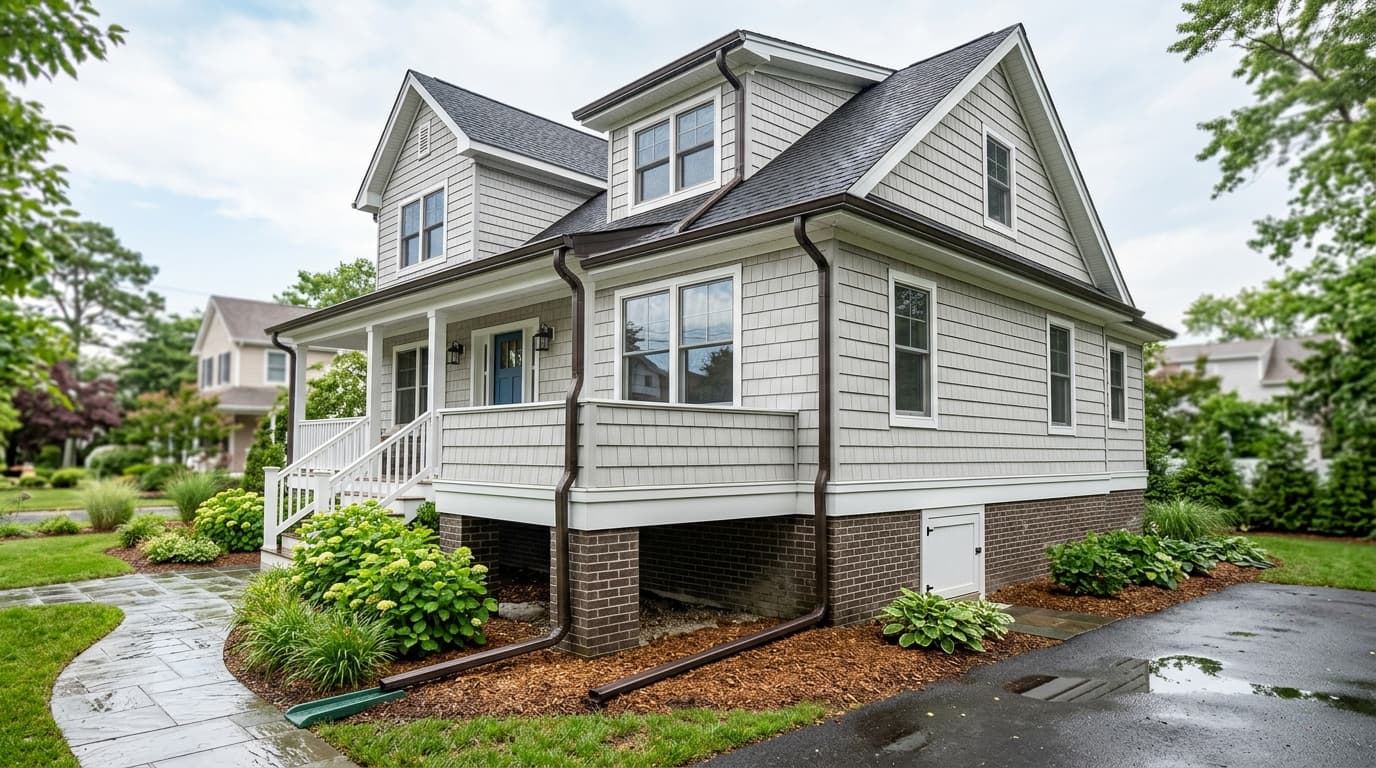
Dryer exhaust needs its own route review. The proposal should identify duct size and material, approximate length, bends, support, cleanout access, insulation where appropriate, and the exterior termination. The vent should discharge outdoors through a weather-protected termination, not into an attic, crawl space, wall cavity, or garage. A long or restricted route can affect drying and increase lint and moisture concerns; do not hide a poor route behind cabinets.
If you are choosing a replacement washer or dryer, compare the exact model specifications instead of relying on a generic “efficient” label. ENERGY STAR clothes-washer guidance can help compare certified products and operating considerations, but appliance performance still depends on installation, loading, settings, and maintenance.
Design for Moisture, Lint, Noise, and Everyday Workflow
A laundry room should be dry enough for the building assembly and comfortable enough to use. Provide the equipment and room ventilation required by the appliance instructions and applicable requirements, keep dryer exhaust sealed, and plan access to clean the lint filter, vent connection, supply valves, and drain. Persistent condensation, peeling paint, or a musty odor is a reason to investigate the moisture source—not simply add fragrance or close the door.
Workflow decisions are small but valuable: a counter at a usable height, a hanging rod where air can circulate, a place for detergents away from children, task lighting at the folding surface, and a clear path for baskets. Control vibration with a level, stable installation and suitable flooring. Do not build cabinets so tightly around a machine that the manufacturer's clearances, ventilation, connections, or service removal are lost.
Water-saving appliances can reduce resource use when they fit the household and are installed correctly. The EPA WaterSense program is useful background for evaluating water-efficiency claims, although it primarily covers plumbing products rather than every laundry appliance. Keep the decision grounded in capacity, cycles, repair access, and total room performance.
Planning a project in South Jersey?
Get a free, detailed estimate from a licensed NJ contractor — no pressure, no sales pitch.
What a Laundry Room Remodel Quote Should Include
Compare complete scopes rather than a cabinet allowance or appliance hookup:
- Layout: Appliance models or dimensions, clearances, door swings, counter height, storage, sink, and service-removal path.
- Plumbing: Supply lines, shutoffs, drain and standpipe, supports, leak-detection or pan strategy, testing, and access panels.
- Electrical: Circuits, receptacles, protection, lighting, panel capacity, appliance connections, and who performs the work.
- Dryer: Exhaust route, duct material, bends, support, exterior cap, weather sealing, and cleaning access.
- Building work: Subfloor repair, waterproofing or moisture corrections, drywall, insulation, flooring, cabinets, trim, and paint.
- Approvals: Which permits and inspections apply, who coordinates them, and what the local construction official requires.
- Closeout: Appliance installation, leak and drainage testing, exhaust operation, cabinet adjustment, cleanup, manuals, and maintenance instructions.
- Hidden conditions: How damaged framing, old wiring, concealed leaks, asbestos-like materials, or an inaccessible route will be handled.
New Jersey requirements depend on the actual alteration, plumbing, electrical, mechanical, structural, and municipality-specific scope. NJ DCA's Codes & Standards resources are a starting point, but the local construction official determines what applies to the address. Require permit and inspection responsibility in writing.
A Laundry Room Remodel Decision Checklist
Before approving the design, answer these questions:
- Why is the room being remodeled: leaks, workflow, capacity, noise, storage, location, or several problems?
- Can every supply valve, drain connection, outlet, vent connection, cleanout, and shutoff be reached?
- Where will water go if a hose or fitting fails, and how will a leak be detected?
- Does the drain route work for the appliance configuration without improvised pumps or unsupported piping?
- Do the electrical circuits match the exact washer, dryer, sink pump, lights, and other planned loads?
- Does the dryer exhaust terminate outdoors with a clean, supported, maintainable route?
- Will the flooring, cabinets, trim, and drywall tolerate the room's moisture and allow future service?
- Who handles permits, testing, appliance connections, cleanup, and concealed-condition decisions?
For a home in Egg Harbor Township, Galloway, Absecon, or another South Jersey community, bring photos of the existing connections, panel, floor, ceiling below, exterior vent, and any stains to a scope review. Our basement finishing services can coordinate a below-grade laundry with moisture and finish sequencing, while painting services can follow repairs rather than conceal them.
Know When to Stop and Call a Professional
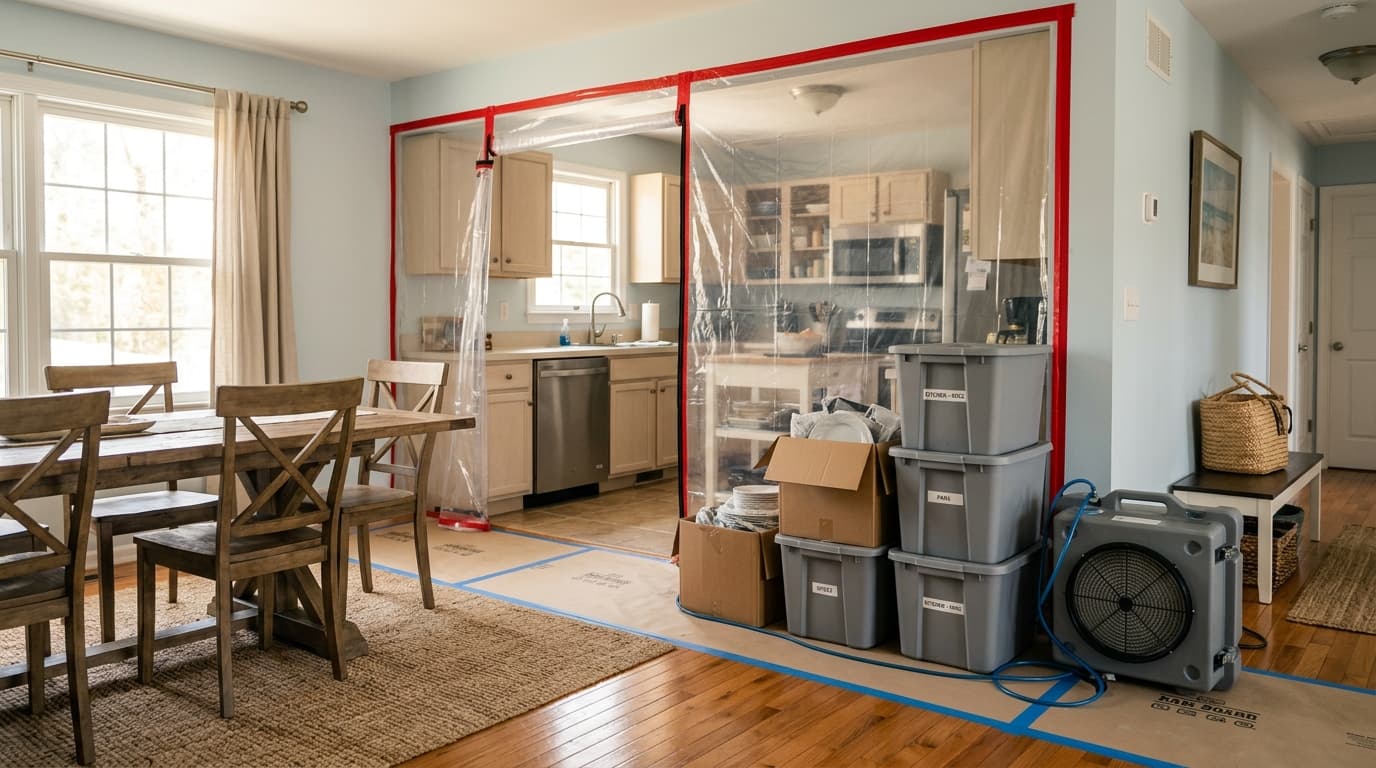
Do not open walls around live wiring or gas piping, alter a panel, enter standing water, cut structural framing, or disturb suspected mold or asbestos-containing materials as a DIY shortcut. Stop when you find active leaks, soft subfloor, overheated wiring, a blocked or damaged dryer route, sewage backup, or a proposed appliance location that cannot preserve service access.
A good laundry remodel leaves the room easier to use and easier to inspect. Before work starts, make sure the written plan explains water control, drainage, power, exhaust, moisture, clearances, finishes, approvals, testing, and maintenance. Use our contact page to request a documented South Jersey project discussion; you should receive a clear scope before deciding whether the work is ready to build.