Do I Need a Permit for Home Renovation in NJ?
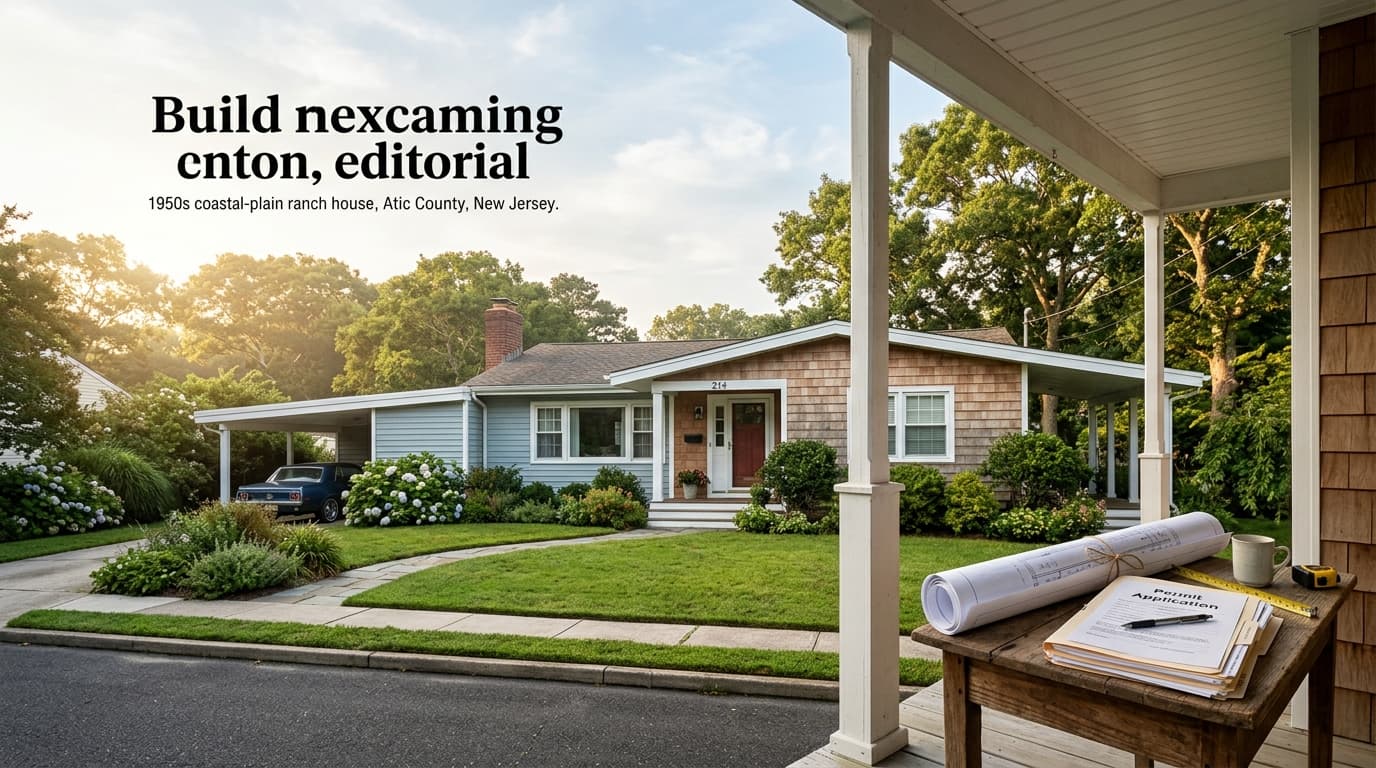
The Short Answer: Permits Depend on the Work
In New Jersey, the useful question is not “Do I need a permit for a kitchen or bathroom?” It is “Will this work change the structure, plumbing, electrical, mechanical, fire-safety, or exterior weather barrier of my home?” Painting a room and replacing cabinet hardware are very different from moving a wall, relocating a drain, or adding a new circuit. The exact answer comes from the construction official in your municipality, because local offices administer the state Uniform Construction Code for a particular property and project.
Start with the New Jersey Department of Community Affairs Codes & Standards resources and then confirm the scope with your township or city construction office. A permit is not just paperwork: it creates a documented review and inspection path for work that can affect safety, insurance, resale, and future renovations. Our general contracting team can help organize the scope, but the municipal office remains the authority on local requirements.
Projects That Commonly Trigger Permits
Permit requirements vary with the details, but homeowners should expect a review when a project changes a regulated system or the building structure. Common examples include removing or adding walls, building an addition, changing a roofline, installing or enlarging windows, modifying plumbing supply or drains, adding electrical circuits or fixtures, changing HVAC equipment or ductwork, and building a new deck or porch. A kitchen remodel may be mostly cosmetic, or it may involve structural, electrical, plumbing, and mechanical permits depending on the design.
Bathrooms deserve the same careful distinction. A vanity and mirror replacement may not affect a regulated system, while moving a toilet, adding a shower circuit, changing an exhaust-duct route, or opening a wall can change the permit picture. Additions, basement conversions, bedroom changes, and work involving emergency egress require especially careful planning because multiple code disciplines can be involved. Ask for a written list of building, electrical, plumbing, and fire-related approvals rather than accepting the vague phrase “permits included.”
What “Ordinary Maintenance” Does—and Does Not—Mean
New Jersey regulations distinguish certain ordinary maintenance from work that requires a construction permit. The state’s NJAC 5:23-2.7 regulation is the place to review the current wording; do not rely on an internet checklist that omits the conditions and exceptions. Routine maintenance may include limited repairs or replacement of finishes when the work does not alter structure, required safety features, or regulated systems. The boundary is technical, not simply based on how small a job feels.
For example, replacing like-for-like finish materials is a different question from removing a wall covering and discovering damaged framing. Replacing a fixture with the same type is different from changing the wiring, location, or load. Replacing a window is different from enlarging the opening or rebuilding the rough opening. If concealed damage or a design change appears, pause and ask the construction official or qualified contractor whether the scope has moved beyond ordinary maintenance.
The Permit Sequence for a South Jersey Project
A clean process begins with a defined scope: drawings or measurements, material selections, affected systems, and the work that is explicitly excluded. The contractor or design professional then prepares the documents required by the municipality and submits the application through the local construction office. New Jersey DCA maintains construction permit forms and resources, but the local office can identify the current submission method, fees, forms, and plan requirements for your address.
Do not schedule irreversible demolition on the assumption that approval is automatic. After approval, work proceeds through inspections tied to the project: for example, framing or rough-in inspections before finishes conceal the work, followed by final inspections. The exact inspection list depends on the permit disciplines and scope. Keep approved plans, inspection results, change orders, and final sign-offs with your home records. Those documents can answer questions when you sell, refinance, insure, or plan the next phase.
Planning a project in South Jersey?
Get a free, detailed estimate from a licensed NJ contractor — no pressure, no sales pitch.
A Homeowner Checklist Before Signing a Proposal
Before hiring anyone, use this short decision framework. It helps you compare proposals on responsibility and documentation, not just the headline price:
- Define the change: Is the project cosmetic, or does it affect structure, plumbing, electrical, HVAC, drainage, or egress?
- Identify the authority: Which municipal construction office will confirm the requirements for this address?
- Assign responsibility: Who prepares and submits each permit, schedules inspections, and provides copies of approvals?
- Price the complete scope: Does the proposal include drawings, permit fees, inspections, required corrections, and final cleanup?
- Control changes: Will a written change order pause work when hidden damage or a revised design changes the permit scope?
- Keep the record: Will you receive approved plans, inspection sign-offs, product information, and warranty documents at closeout?
New Jersey’s Division of Consumer Affairs provides Home Improvement Contractor resources for homeowners. Verify the contractor’s registration information, require a written contract, and make sure the proposal states who is responsible for permit coordination. A professional should be comfortable explaining the process instead of treating questions about permits as an inconvenience.
When to Get Local Confirmation Before Work Starts
Get written confirmation before work begins when the project changes a wall, roof, room use, opening, deck, plumbing route, electrical service, HVAC system, or exterior drainage. Also ask before starting if the property is in a flood-prone area, a historic district, a shore community with additional wind requirements, or a neighborhood with private association rules. State code is the baseline; local zoning, floodplain, historic, and property-specific conditions may add another review.
A permit question is worth resolving before materials arrive or finishes cover the work. For a renovation in Egg Harbor Township, Galloway, Ocean City, or another South Jersey municipality, ask the construction office what applies to the actual address and scope. If you want help turning an idea into a documented plan, use our contact page to request a scope review. You should leave the first conversation knowing what is included, what still needs municipal confirmation, and what the next decision is.