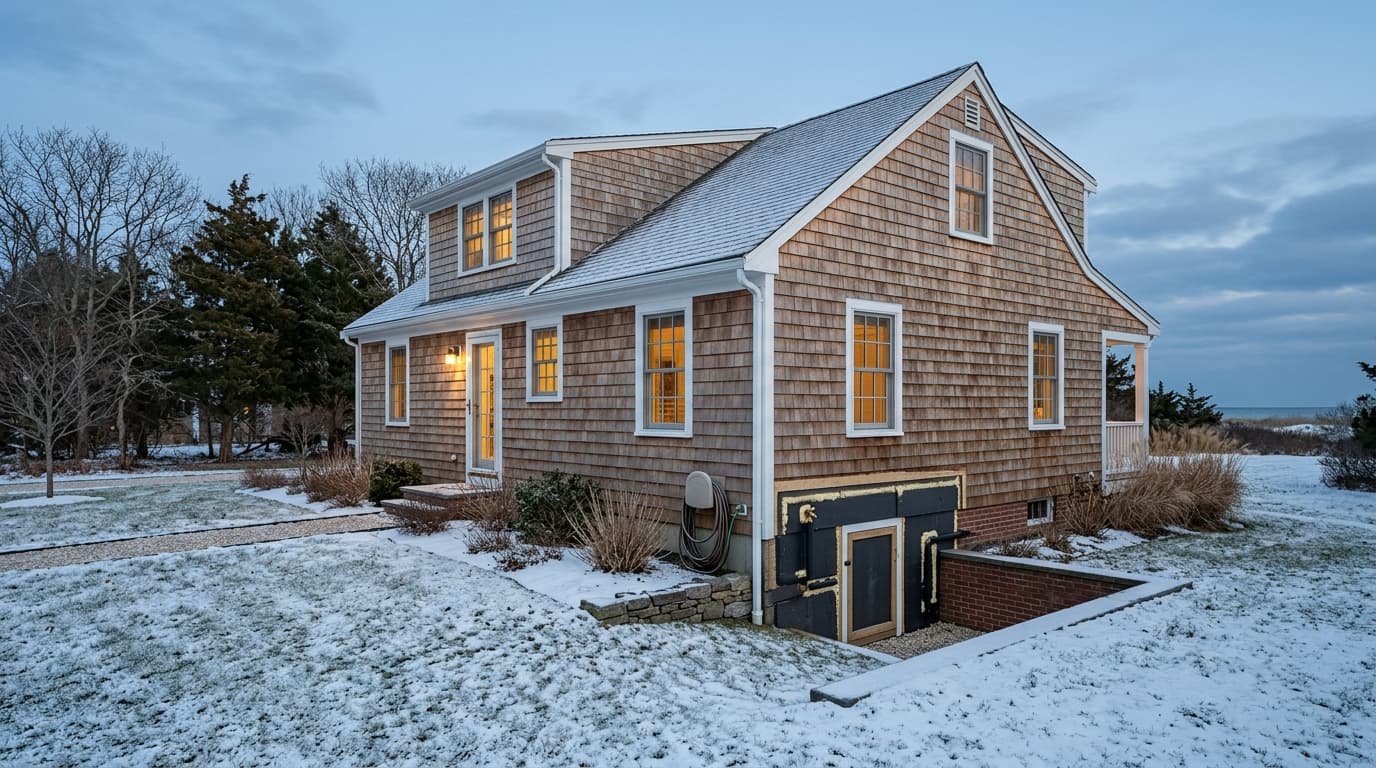
How to Control Crawl Space Moisture in South Jersey
The Short Answer: Stop Water Before You Treat the Air
The best way to control crawl space moisture in a South Jersey home is to identify how water and humid air are entering, correct exterior drainage first, then install the appropriate ground vapor control, air sealing, insulation, and mechanical drying. A fan or dehumidifier may help manage humidity, but it cannot compensate for a leaking foundation, an open dirt floor, a disconnected downspout, or a plumbing leak.
Start with a safe visual review from the access opening. Look for standing water, damp soil, efflorescence or white mineral deposits on masonry, darkened wood, rusted fasteners, sagging insulation, musty odors, and condensation on ducts or pipes. Do not crawl into an unfamiliar space, disturb mold, handle damaged wiring, or enter standing water. Our basement and below-grade services can help evaluate moisture conditions before a homeowner finishes or encloses the space.
Why South Jersey Crawl Spaces Stay Damp
South Jersey homes experience repeated wetting from heavy rain, humid summer air, freeze-and- thaw cycles, and—depending on the property—shallow groundwater or flood exposure. A crawl space can be damp even when it has no obvious puddle: moisture can evaporate from exposed soil, condense on cooler masonry and ductwork, or move through a porous foundation wall.
The building science question is whether the moisture is coming from outside, below, or inside the house. Check roof and gutter discharge above the crawl space, grading at the foundation, hose bibs and supply lines, condensate drains, sump equipment, and the crawl-space access door. FEMA's flood-map resources can help identify mapped flood risk, but they do not replace a property-specific drainage or elevation assessment.
Fix Exterior Drainage Before Sealing the Crawl Space
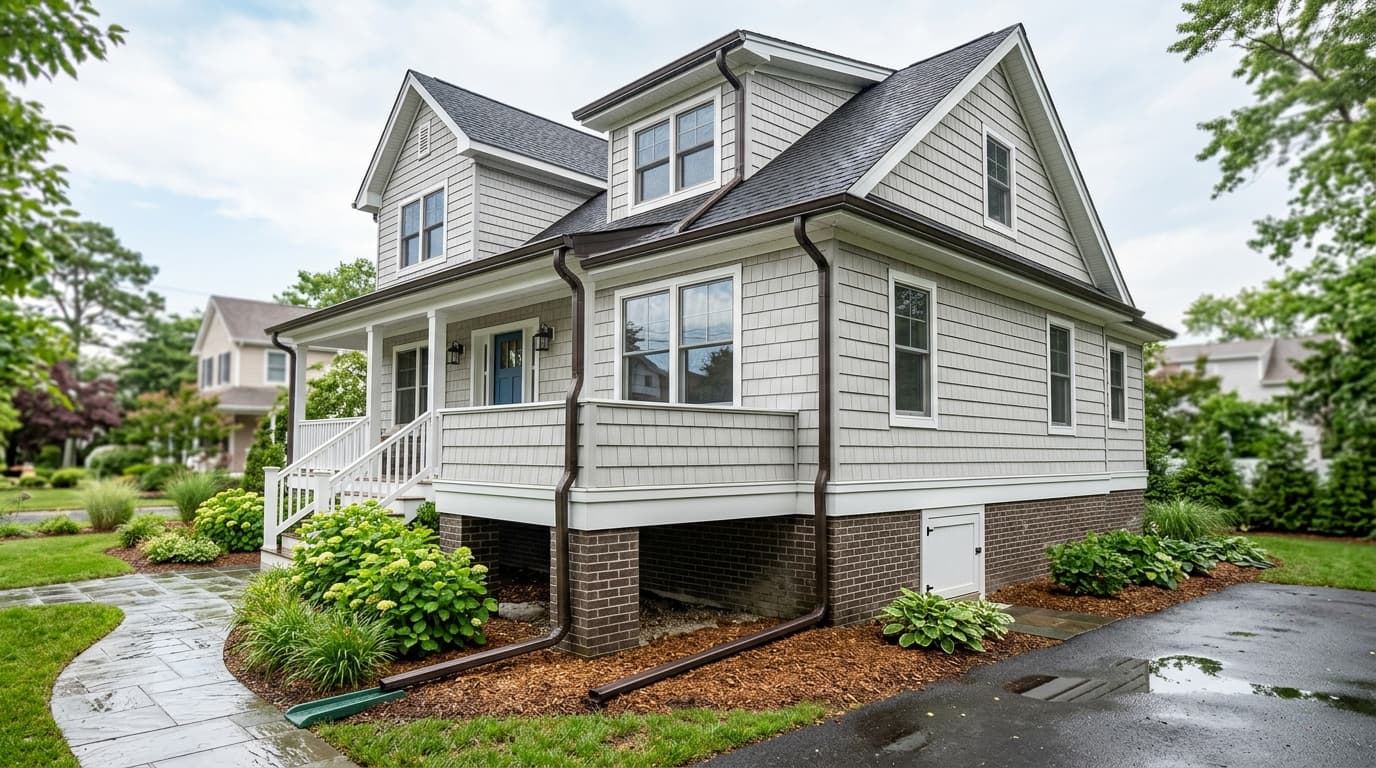
Walk the exterior after rain and follow the water. Gutters should be free of debris, downspouts should discharge away from the foundation, and soil should not slope toward the house. Repair leaking hose connections, roof drainage, and damaged foundation-wall transitions before making the crawl space tighter. If water enters through a crack or joint, document the location and timing; active seepage after rain calls for a different solution than ordinary humid air.
Do not cover a wet foundation with new insulation or framing and assume the problem is solved. Concealing a leak makes future inspection harder and can leave wood members in a persistently damp environment. A qualified contractor should explain whether the proposed work addresses bulk water, vapor diffusion, air leakage, or all three. New Jersey's DCA code resources are a starting point for code questions; the local construction official determines what permits and inspections apply to the actual scope and address.
Use a Ground Vapor Barrier and a Planned Air Strategy
An exposed soil floor can release a continuous supply of water vapor into the crawl space. A properly installed ground vapor barrier reduces that pathway, but the details matter: seams, edges, piers, penetrations, and the connection at foundation walls all need a planned treatment. A loose sheet with open gaps is not the same as a continuous system. Ask the contractor what happens at every transition and how the barrier will remain accessible for future inspection.
Ventilation is not automatically the answer. Outdoor summer air can carry enough moisture to condense on cool crawl-space surfaces, while uncontrolled vents can make humidity harder to manage. The correct approach depends on the foundation, climate exposure, local code, and whether the space is intentionally vented or part of the home's conditioned enclosure. The EPA's mold and moisture guidance emphasizes moisture control and prompt drying rather than treating mold as the underlying cause.
Planning a project in South Jersey?
Get a free, detailed estimate from a licensed NJ contractor — no pressure, no sales pitch.
Air-Seal and Insulate Without Creating New Hazards
Once bulk water is controlled, air sealing can reduce humid outdoor air and warm indoor air moving into the crawl space. Common leakage points include the access hatch, rim joist, plumbing and electrical penetrations, duct transitions, and gaps around the foundation. ENERGY STAR's seal-and-insulate guidance is useful background, but homeowners should not seal combustion-air openings, exhaust routes, or electrical components without qualified advice.
Insulation must be compatible with the moisture strategy and the location of pipes, ducts, wiring, access points, and termite-inspection requirements. Do not install fiberglass batts that sag into wet conditions or cover visible damage. If wood framing is soft, stained, or visibly deteriorated, stop and have it evaluated before adding insulation. Never use a crawl space as a place to improvise around gas appliances or damaged electrical systems.
A Practical Crawl Space Moisture Checklist
Use this checklist to organize observations and questions for a contractor. It is not a substitute for entering a hazardous space or diagnosing structural damage yourself:
- Outside water: Check gutters, downspouts, grading, hose bibs, roof drainage, and foundation-wall transitions.
- Inside water: Photograph seepage, standing water, plumbing leaks, sump operation, stains, and efflorescence.
- Air and vapor: Note exposed soil, open vents, gaps at the access hatch, condensation, and musty odors.
- Structure: Look from a safe position for soft wood, sagging joists, rusted supports, pest damage, or insulation touching wet surfaces.
- Utilities: Identify ducts, pipes, wiring, combustion equipment, and any components that must remain accessible.
- Risk: Use FEMA maps as context for flood exposure and ask whether drainage, flood openings, or insurance considerations affect the plan.
- Scope: Require the quote to separate water correction, cleanup, vapor control, air sealing, insulation, dehumidification, and finish work.
A good proposal explains how the contractor will verify the result. Ask whether humidity will be monitored, where condensate will drain, how equipment will be maintained, and what happens if concealed damage is found. A low quote that only installs a vapor barrier may not be comparable to a complete moisture-management plan.
When to Call a Professional
Arrange a qualified evaluation when water returns after rain, wood feels soft, the crawl space has persistent odor or visible mold, insulation is wet, the foundation is cracking or shifting, or the space contains unsafe wiring, gas equipment, or standing water. Do not use bleach as a cure for a recurring moisture source, and do not enter after a flood until electrical, structural, and contamination hazards have been assessed.
For a home in Egg Harbor Township, Absecon, Galloway, or another South Jersey community, ask the contractor to document the cause before recommending a finish. Our general contracting team can coordinate related drainage, framing, insulation, and finish scopes, while the local construction office confirms requirements for regulated work. If you want a scope review, use our contact page and bring photos, dates of water entry, and any prior repair records.