Protecting Your Shore Home from Hurricane & Storm Damage
Pre-Season Prep Checklist
The most effective storm damage mitigation is preparation completed before a storm is on the forecast. For shore homes in communities like Brigantine, Margate, and Ocean City, that means running through your home's exterior systems every spring—before June 1 when the Atlantic hurricane season officially begins—and again in September when peak activity arrives. Start with a roof inspection: look for lifted shingles, deteriorated flashing, and any granule loss that suggests end-of-life shingles that will not survive high-wind loading. A roof that is borderline-acceptable in calm conditions is a liability in a 70 mph nor'easter.
Siding and exterior cladding checks are equally important. Loose vinyl panels, failed caulk at window and door perimeters, and any separation at corner boards create water infiltration pathways the moment wind-driven rain arrives. Walk the full perimeter of the house and press on panels that look loose—they should be rigid. Check window frames and door thresholds for gaps, and re-caulk any joint that has cracked or pulled away. For homes with wood or fiber cement siding, look for any section where paint is failing, as bare wood can absorb significant moisture during a sustained rain event.
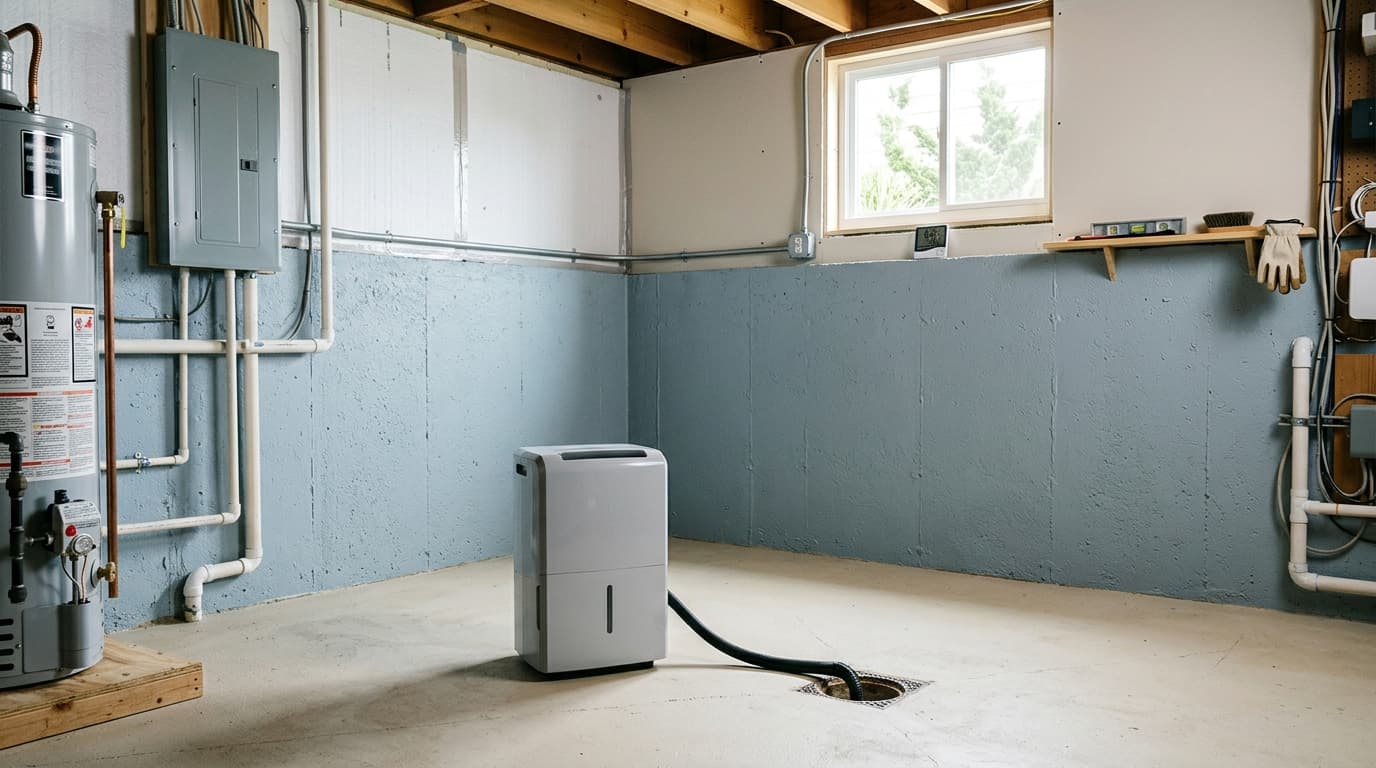
Drainage and grading often go unaddressed until flooding makes them urgent. Clear gutters and downspouts thoroughly and confirm that downspout extensions are directing water at least four feet from the foundation. Check that the grade slopes away from the foundation on all sides—settling over time can create negative slope that funnels storm water toward the house. For properties with sump pumps, test the pump and consider a battery backup system before storm season; power outages during major storms are common in shore communities, and a sump pump without backup power provides no protection when you need it most.
During & After the Storm
If a major storm is forecast and you are sheltering in place, secure or bring inside any outdoor furniture, planters, decorative items, or anything that can become a projectile in high wind. Close and lock all windows and doors, including garage doors—garage doors are the most common structural failure in hurricane-force winds, and a blown garage door can cause catastrophic pressure changes inside the structure. If you are evacuating, shut off the main water supply valve before leaving; a ruptured pipe during a storm can cause flood damage that rivals the storm itself.
After the storm passes, resist the urge to immediately inspect the exterior until it is safe to do so—downed power lines, standing water, and debris on roofs create real hazards in the immediate post-storm period. Once conditions are safe, begin documentation immediately: photograph every area of visible damage from multiple angles, note water staining on interior ceilings and walls, and document any standing water in the basement or crawlspace. This photographic record is critical for insurance purposes and should be created before any cleanup or temporary repairs begin.
Post-Storm Inspection Guide
A thorough post-storm inspection covers the roof, exterior walls, windows, doors, foundation, and mechanical systems. On the roof, look for missing shingles, lifted ridge cap, damaged or displaced flashings, and any visible decking. On the siding, check for dented, cracked, or blown-off panels and for any separation at joints and trim. Inspect every window and door frame for broken seals, cracked glass, and water infiltration evidence (staining on the interior framing). Check the soffit and fascia for damage—these trim elements take direct wind exposure and are frequently damaged in high-wind events.
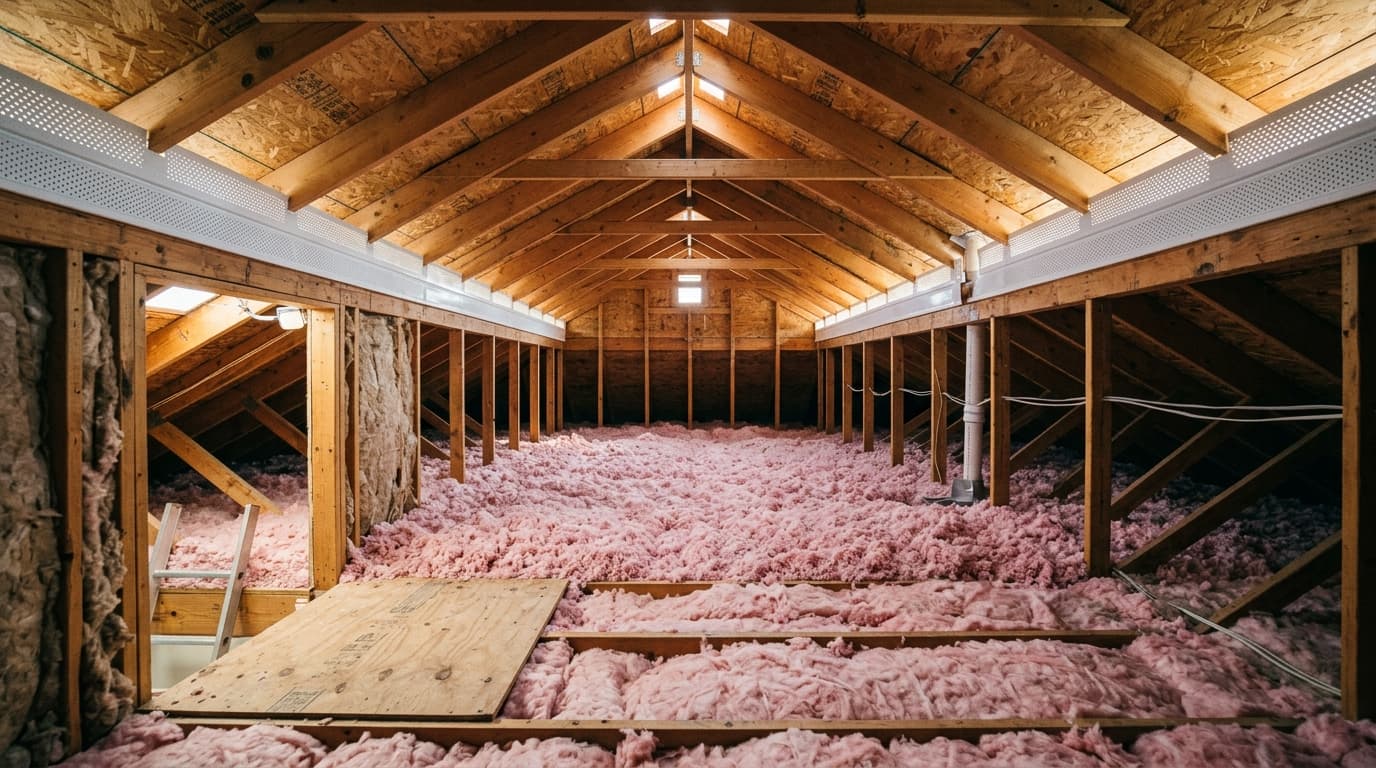
Inside the home, inspect every ceiling and wall for new water staining or active drips. Check the attic within 24 hours of the storm—moisture staining on the underside of the decking reveals active infiltration that may not yet be visible on the living space ceiling below. For homes with basements or crawlspaces, check for water intrusion even if you did not notice it during the storm itself. Hydrostatic pressure can force water through foundation walls and floor joints hours after the rain stops. Synergy offers post-storm inspections through our storm damage services to help homeowners document and assess damage quickly.
Planning a project in South Jersey?
Get a free, detailed estimate from a licensed NJ contractor — no pressure, no sales pitch.
Insurance Claims Process
File your insurance claim promptly after documenting damage—most homeowners policies require timely reporting, and delays can complicate or reduce your payout. When you call your insurer, have your policy number, your photographic documentation, and a written description of the damage ready. The insurer will assign an adjuster who will schedule an inspection; you are entitled to have your contractor present during that inspection, and Synergy strongly recommends it. Adjusters work from standard pricing databases that can undervalue labor costs in the current South Jersey market, and having a contractor present to explain scope specifics results in more accurate estimates.
Review your policy's wind/hail deductible before your adjuster arrives. In coastal New Jersey, this deductible is frequently a percentage of insured value (1 to 5 percent) rather than a flat dollar amount—meaning it can be $5,000 to $20,000 on a higher-value shore property. Understanding your out-of-pocket exposure before the adjuster visit helps you evaluate the repair scope and contractor options realistically. If the adjuster's estimate is significantly lower than your contractor's scope, you have the right to request a re-inspection or submit a public adjuster's supplemental estimate. Synergy can provide detailed documentation to support a supplement claim through our insurance claims assistance process.
Emergency Repair Services
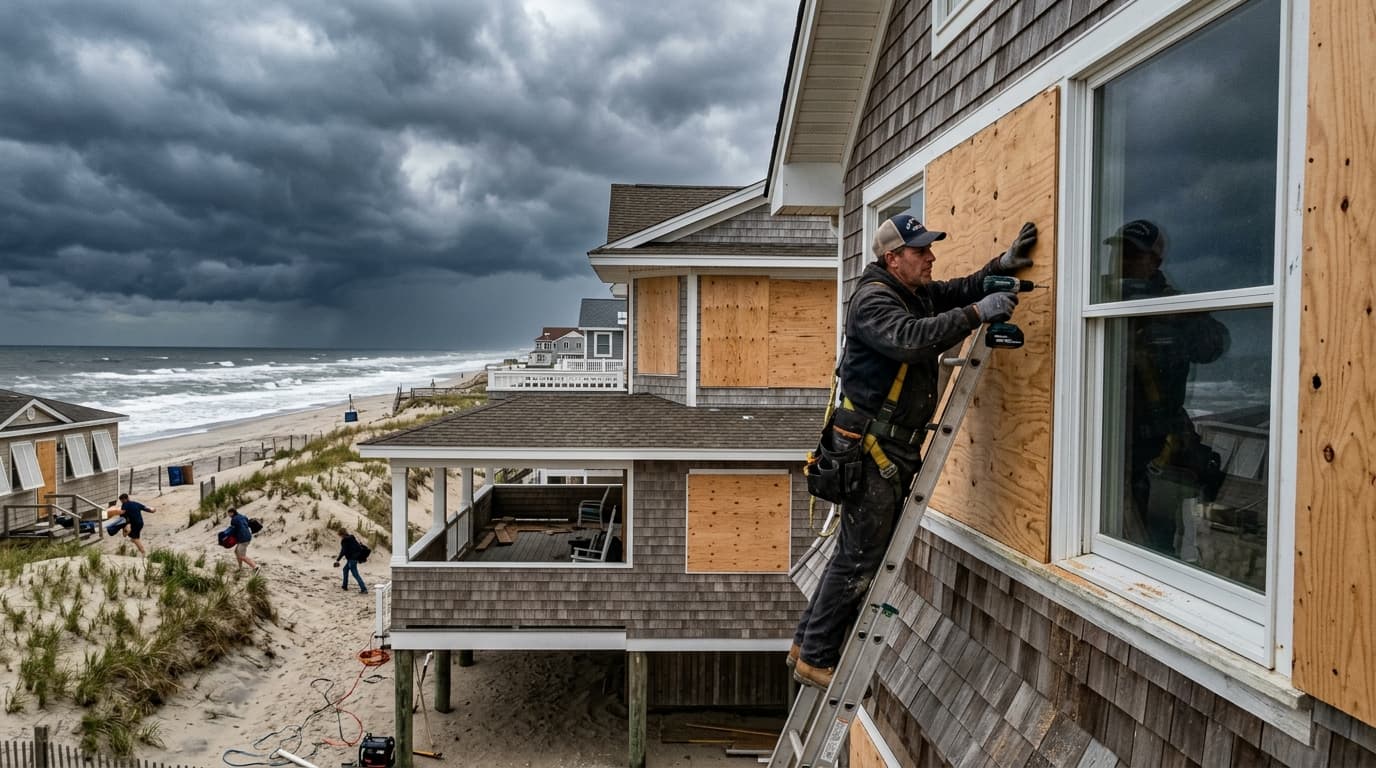
When storm damage has left your home exposed—a section of roof open to the sky, a wall breach, a window blown out—emergency temporary repairs are necessary to prevent further damage while the full repair scope is planned and permitted. Temporary repairs typically include tarping open roof sections, boarding broken windows, and securing siding panels that are lifting but not yet detached. These measures protect the structure and are typically covered by homeowners insurance as part of your claim—keep all receipts for any materials or emergency labor.
Synergy provides emergency storm response for existing clients and shore-area homeowners throughout Atlantic County. We maintain contractor relationships with suppliers for emergency materials—tarps, plywood, temporary flashing—and can mobilize quickly after a major storm event. Contact us at our contact page as soon as conditions are safe to do so; the earlier we can assess and document damage, the better positioned you are for a smooth insurance process and an efficient permanent repair.